
Arkansas Arrest Logs Have Several Forms
The phrase covers several different records in Arkansas. A current jail roster lists who is in custody. A short release list names people an agency has just booked. City police incident logs describe calls and events that agency handled. State enforcement releases pick out incidents for public notice. News reports add context a roster never carries. None of these is a complete statewide booking ledger, so know which one you are reading.
The multi-day view earns its keep when a short feed rolls forward. Weekends can span more than one posting cycle. Some agencies keep an archive of selected reports, which stretches the reach back. But arrest log is not a standard record name across Arkansas. A county page may show current inmates only. A city page may skip jail bookings. A press archive can reach farther back while leaving routine arrests out.
The Baxter County Sheriff's press-release archive shows the pattern clearly: narrative agency accounts sit apart from the jail roster, a news layer rather than a chronological list of every booking.
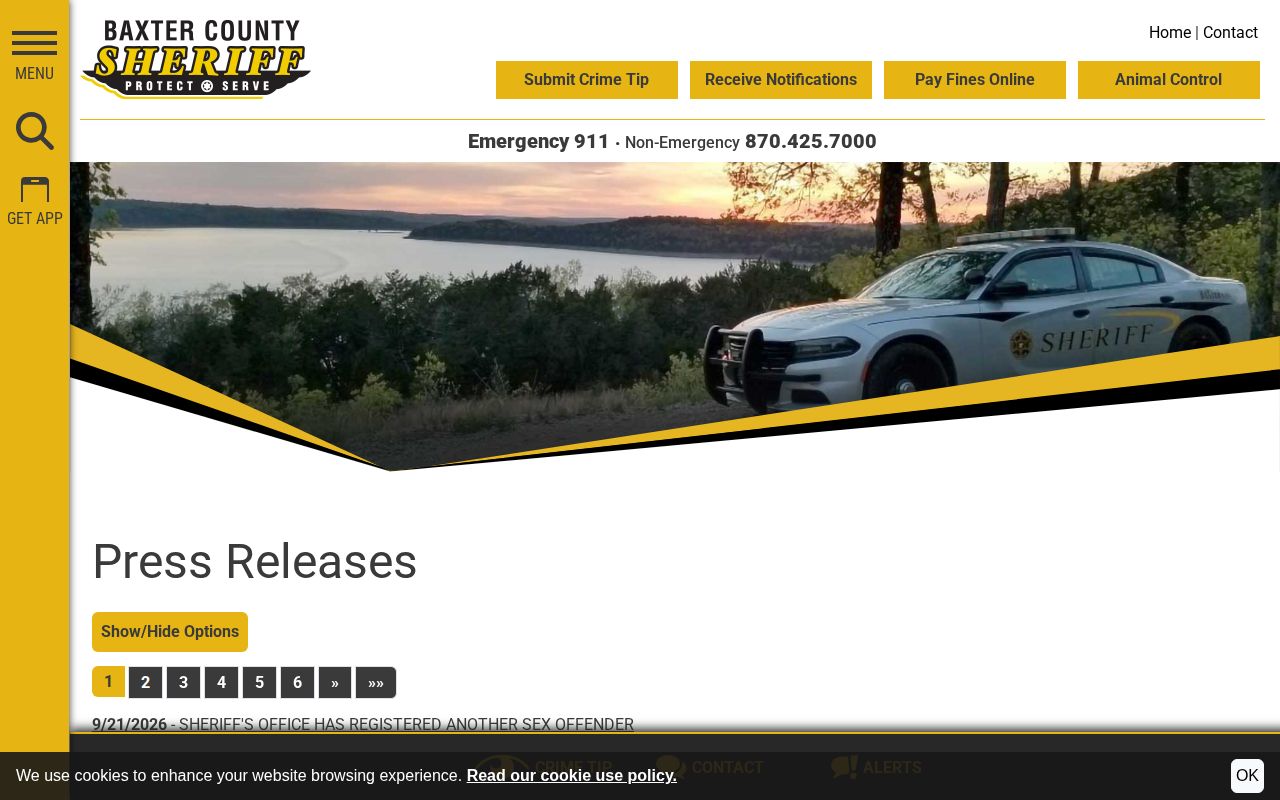
A narrative archive can explain a named sting. It proves nothing about arrests it leaves out. The Baxter County current roster is one local example of the separate custody layer. It is a county system, not a statewide design.
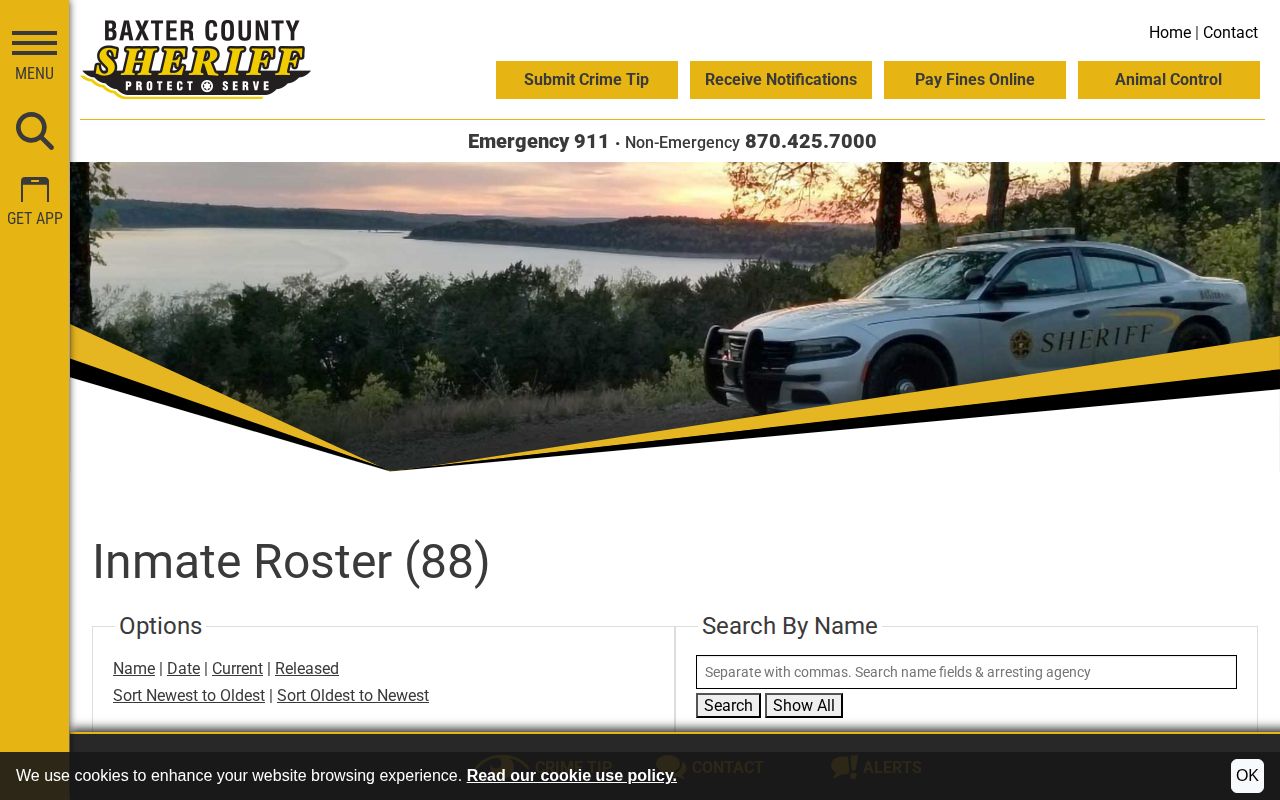
Match the record type to your question first. Then check the county that received the person, since other counties may use a different vendor, date window, or search method.
What an Arkansas Arrest Entry Shows
Some public lists show only a name and an event date. A jail portal may offer a fuller booking card. Read each field as a label from that source, nothing more. Blank fields reflect what the system publishes.
| Entry field | What it may describe | What it does not prove |
|---|---|---|
| Name, booking number, booking time | The person and jail entry, plus when intake was recorded. | The arrest time, full case history, or current location after a transfer. |
| Charges, bond, arresting agency | Charges entered at booking, bond information shown, and the agency tied to the event. | A conviction, final sentence, or complete account of the case. |
| Incident date and narrative | A city or sheriff's account of a reported event or selected enforcement action. | A completed jail booking or every arrest made by that agency. |
| Release status or date | A custody change in the jail's own roster or release view. | Case dismissal, acquittal, or the court's final disposition. |
| Photo, when published | An intake image tied to the posting custodian's record. | Identity by appearance alone or proof that the charge is true. |
The Baxter County current roster shows the line between a current-inmate view and a historic booking archive. Sorting by booking time helps. Still, the list only holds records the page keeps and displays. A booking entry is not a case result. Later questions belong to the court file.
Arkansas County and City Logs Differ
Arkansas counties do not run their arrest logs the same way. Some vendor pages use rolling recent-release windows. Washington County's intake report covers the last three days. Benton County's Zuercher system lets you pick dates. City interfaces often record incidents or arrests. A county jail roster focuses on people in custody, and those differences are useful, not proof of one statewide system.
Union County's daily report splits Arrests and Bookings into separate tabs. Use the tab that fits your question. If custody matters, check the receiving jail too. A daily report is not a full detention record or a deep archive. Springdale's city arrest log is not a countywide booking list, and its interface shows no mugshot field.
The state layer works differently. The Arkansas State Police filtered news feed carries selected releases and enforcement stories, not a daily public booking ledger. A highway arrest missing from an ASP release may still sit in a county booking record. County detention systems hold the local custody entry.
These boundaries matter most when you compare dates. The arresting agency can differ from the jail custodian, and the court may sit elsewhere, so rely on each source's own agency, date, and status fields before joining records from separate systems.
Arkansas Court Records Track Case Outcomes
A booking roster answers who entered jail and when. A court docket answers what happened next. Search ARCourts can show charges, filings, dispositions, future events, judgments, and documents, within the portal's access limits. It does not replace the jail's booking record. Nor does it give a full current-custody picture.
The official Arkansas court case search is the right next source when the question is a hearing or disposition. Compare the name and case identifiers. One arrest can lead to more than one count or case entry.
A court result may record a dismissal, plea, judgment, or a future hearing. The booking page may stay unchanged or vanish on its own schedule. One database cannot stand in for the other.
Note: Use the jail roster to confirm a booking and the court portal to check case activity; neither source answers both questions.
How to Read an Arkansas Blotter
Know why you need the record first. Then match the agency and the date range. If you know which jail received the person, the Arkansas County Directory can route the search to that county's site. Relying on the custodian beats trusting a city-name result that may sit in a different county altogether.
- Choose the question. For current custody, use a jail roster. For a police event, use that department's incident or arrest log. For a court result, search the case record.
- Match the agency and county. Check the arresting agency and receiving facility fields when available. A state trooper or city officer may book a person in county custody.
- Read the dates and window. Note whether the page covers booking time, incident date, release date, or a selected calendar range. A rolling window can move while the page is open.
- Compare identifiers, not just names. Review a booking number, case number, or agency label. A similar name is not enough to connect two records.
- Ask for older or missing records. Contact the record custodian with the known name, date, county, and record type. If the issue concerns case outcome, check the court clerk or portal as well.
Counties post bookings in short windows. The Arkansas 24 Hour Arrests page maps those windows, so a new booking can be checked before it scrolls out of view.
Arkansas Logs Have No Weekend Schedule
No Arkansas county follows one shared weekend posting rhythm. A rolling 48-hour roster can stretch across a Saturday and Sunday, holding several days of intake at once. A press office might wait until a business day to publish its chosen roundup. Neither pattern adds up to a standing Monday blotter. Read the dates the source itself displays. A blank page never proves that no arrest happened. Timing tells a similar story. Posting time and arrest time rarely match. Jails finish intake and data entry first. City departments release incident logs on their own clocks. Newsrooms pick only the stories with public appeal. Updates land at different moments in every Arkansas county, so no single delay applies statewide.
Older Arkansas Arrest Records and Archives
Retention rules govern how long Arkansas booking records survive. Arkansas Code § 13-4-404 sets a five-year floor for county jail booking records. The floor covers booking photographs and detention logs. Once that floor passes, a county judge can order disposal on the sheriff's recommendation. The statute promises neither a live site with five years of photos. It also does not order destruction of anything that rolled off a page. A second rule spells out what a jail log contains. The jail-log rule, 12 CAR § 50-503 lists intake and population information, confinement and release dates, and reason for confinement. It also covers offense level, officer, and warrant or commitment data. Required identification material belongs there too. State law keeps the record. It does not turn each public roster into an archive. Older requests should name the custodian, the county, the date range, and the record type. History lives elsewhere. The Arkansas State Archives collections hold state and local historical materials, county records, and newspapers. No single digitized statewide set of modern county booking-photo books exists. Search sheriff and jail holdings, circuit or district clerks, and county courts. Newspaper files count too. Don't assume an old mugshot database waits somewhere.
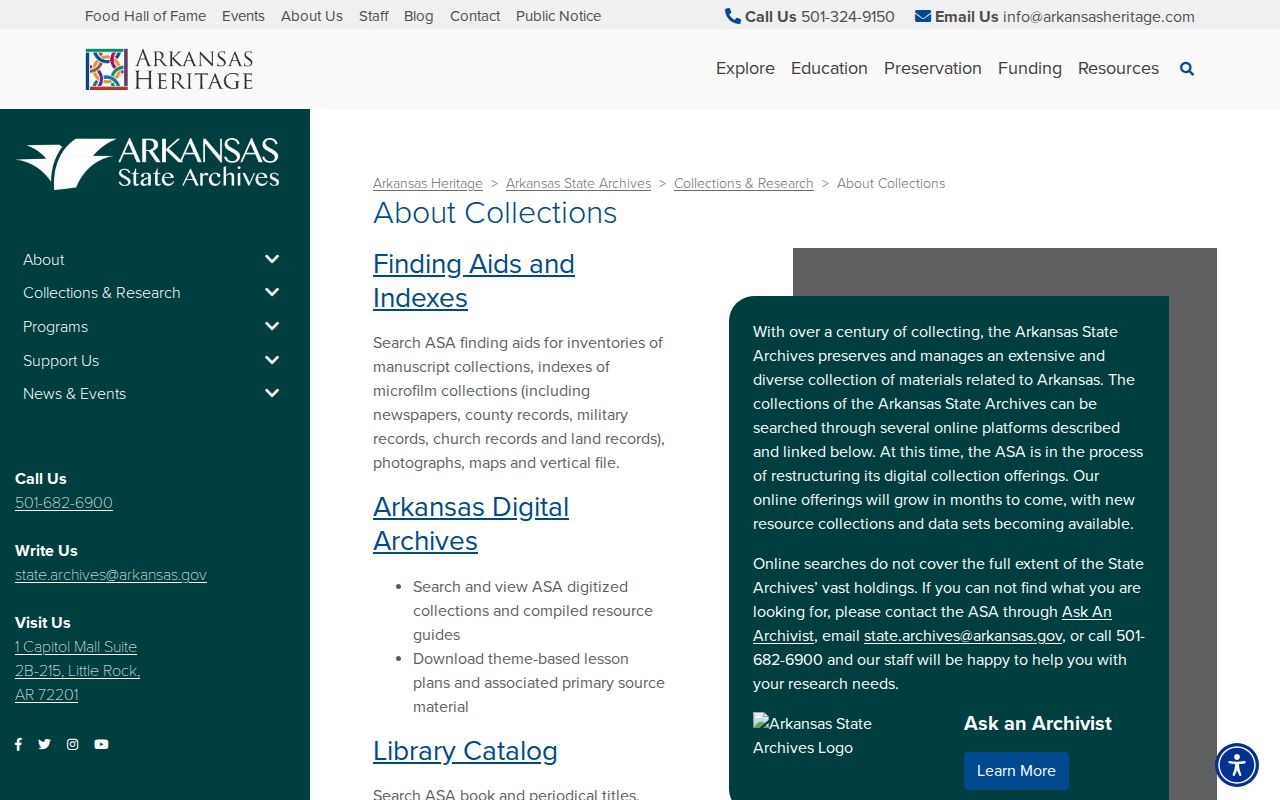
Finding aids are the first stop. They show what a collection holds and which branch keeps it. Newspaper microfilm can supply context long after a booking page expires. Help is available too. The Archives' Research Services page provides research help. Staff give up to two hours free. A request must name the record type, person, dates, and counties. Receipt is normally confirmed in three to four days. Results can take one to three weeks, depending on workload.
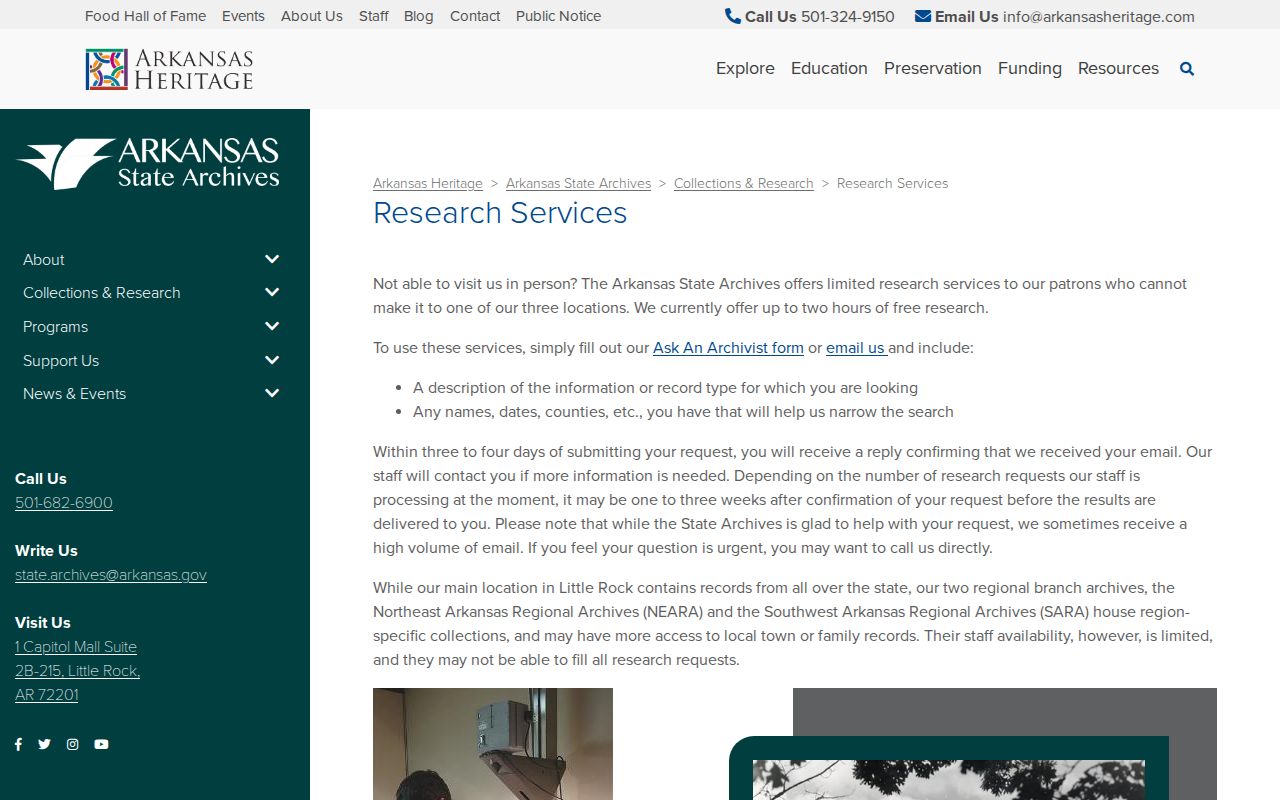
For contact, the Archives lists state.archives@arkansas.gov and 501-682-6900. Copy and scan charges are separate from the staff research service, so confirm current costs and item availability before ordering.
Note: The five-year rule covers a statutory record series, not the lifespan of a county website, photo link, or every old booking record.
Arkansas News Stories Extend Arrest Trails
Newsrooms extend the trail a jail roster cannot. Statewide and regional outlets report selected crime, court, and public-safety events. Arkansas Democrat-Gazette and Arkansas Online and KATV offer journalism, not a live statewide booking feed. A story stays searchable after a roster entry expires. It may skip booking details, though. It can also need updating as the facts of a case shift. One outlet changed course. Arkansas Breaking News ended routine arrest blotters and booking-photo publication in July 2026. Its corrections policy accepts documents showing dismissal, resolution, or expungement. It charges nothing for correction or removal requests. That route is documented, but accurate reporting is not guaranteed to come down. Secondary booking sites add a final caution. They copy old county details and detach them from the right agency or case. Treat a copied listing as a lead only. For current custody and case outcomes, the official custodian and the court still decide.